sellers
The Six Homeowners Who Call HYVE
Most cash-sale calls fall into one of six patterns. If one of them sounds like your situation, you are not an edge case — you are the reason the category exists.
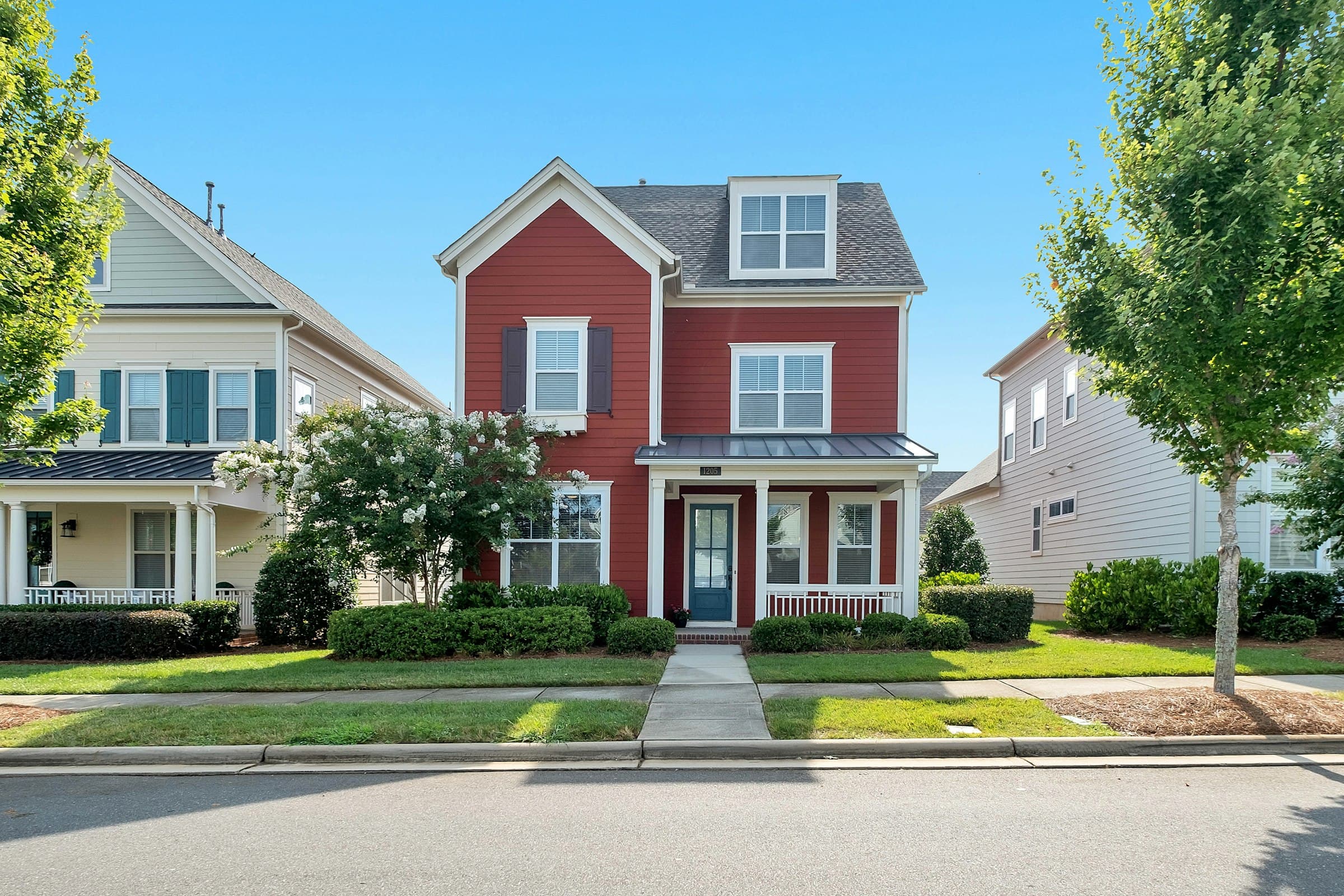
The phone at HYVE's Dallas office rings several times a day, and the reasons people are calling are, in the aggregate, surprisingly consistent. We have pulled the last several years of intake notes — names and addresses stripped — and mapped the conversations back to their root causes. What we found is that six situations account for the overwhelming majority of the homeowners who end up selling to us in cash.
None of them are exotic. None of them are the sellers real estate brochures tend to feature. What they have in common is that the traditional playbook — list with an agent, wait ninety days, cover the repairs, pay the commission — had quietly become the wrong tool for the job.
This is not a sales pitch for any one option over another. There are homes HYVE buys, and there are homes where a traditional listing will net the seller more money, and an honest conversation on the first call is how we find out which one you are. What follows is simply the map. If one of these six situations sounds like the kitchen table you are sitting at, you are not an edge case. You are the reason we built the category.
1. The Inheritor
The most common call we get is from an adult child whose parent has recently passed away. The house is a three-bedroom ranch in a town they moved out of years ago. The property taxes are due. The grass is getting long. The siblings are in three time zones and cannot agree on a paint color, let alone a repair budget.
Most inherited homes carry two headwinds against a traditional listing: they sit deep in deferred maintenance — the kind that accumulates when a single person in their seventies or eighties has been living alone — and the people responsible for selling them do not live nearby. Probate can add another three to six months before a listing is even legally possible.
A cash sale in these situations is not about speed for its own sake. It is about removing a property from a family's responsibilities before it becomes a second job for someone who already has one. We close on inherited homes at fair numbers on a timeline the executor picks, and we handle the property as-is — furniture, contents, and all — if that is what the family needs.
2. The Tired Landlord
The second-most-common call is from an accidental landlord, or a long-time rental owner who is simply done. The property is a duplex in an appreciating neighborhood, but the last tenant left it rough, the HVAC is on borrowed time, and the conversation about 'just one more turn' has happened three years in a row.
Rentals are among the hardest properties to list traditionally. They often show poorly because they are still occupied. Repairs tend to have been papered over rather than addressed. A retail buyer with a mortgage will almost always flag problems that a cash investor will not.
For the owner whose capital is genuinely trapped in a property that no longer earns its keep, a direct sale is frequently the cleanest exit. We have bought rental portfolios one door at a time and all at once, with tenants in place and vacant, and the math that matters is whether our offer unlocks what the building is worth today rather than what a pro forma says it could be worth after another forty thousand dollars of work.
3. The Homeowner in a Pre-Foreclosure Window
If the envelopes from the mortgage servicer have started using words like default, demand, or acceleration, the situation has become a race against a calendar the homeowner did not set. A traditional listing takes roughly ninety days from sign-in-the-yard to funded wire. A foreclosure auction, by the time notices have gone out, is often measured in weeks.
We treat these calls with particular care, because the consequences of getting them wrong are not only financial — they are a credit file, and a family's housing stability for the next several years. A cash sale that closes in ten days can retire the loan, release the lien, and leave the seller with whatever equity is left over, rather than losing the whole of it at a trustee sale.
The honest caveat: if a homeowner has substantial equity and enough time, a traditional sale will usually net more. If the equity is thin or the calendar is short, a direct sale can be the difference between walking away whole and walking away with nothing. We will tell you, in the first conversation, which side of that line we think you are on.
4. The Couple Unwinding a Marriage
Divorce is legally and financially the most complicated reason a house comes to market, and it is one of the quieter reasons we sell to cash buyers. The couple wants a clean split. Neither one wants to keep living in the property while it is staged for showings. Both want their half of the equity before the process drags on another quarter.
A cash sale here is a logistics tool more than a financial one. It converts the largest jointly held asset into two wire transfers quickly, at a known price, without the two parties having to coordinate on listing photos and open houses during a season that is already difficult. We work routinely with matrimonial attorneys on both sides and are comfortable documenting the sale in a way that fits a decree.
Again, the caveat matters. There are divorces where the best outcome is to list, and there are divorces where both parties simply need the house resolved. We will not pretend to know which one you are from a first call — but we are willing to have the conversation.
5. The Homeowner With a House That Will Not Show Well
A house that needs a new roof, a new HVAC, and a kitchen from the current decade is not a house most retail buyers can buy. Their lenders will not issue the mortgage without those repairs being done first, which means the seller has to either finance the work themselves, accept a steep discount, or pull the listing. Many pull the listing.
This is the single most common reason traditional real estate fails an honest seller. The home has real value; the transaction simply cannot close at retail until tens of thousands of dollars of work are complete. Cash buyers exist specifically to solve this problem. We pay for the property at a number that reflects its current condition, and we take on the repairs ourselves.
When we quote a number on a home in this category, we show the math: what comparable neighborhood sales look like in finished condition, what we believe the repair scope will cost, and what margin we are underwriting for the risk. If the seller is willing to live through the repairs themselves and list later, they will almost always earn more. If they are not, we can usually close in two weeks.
6. The Life-Changer
The last common situation is the hardest to put a single name to, because it includes so many different reasons — a job relocation with a tight start date, a medical diagnosis that reorganizes the family, aging parents moving in, aging parents needing care, an empty nest, a second marriage, a military PCS. The common thread is that a real deadline is now attached to a home that was not previously on the market.
A traditional sale is a poor fit for a deadline-driven seller. The timeline is negotiable only in one direction. The closing date is whatever the buyer's lender decides. The price is subject to a negotiation window that can last longer than the seller's moving window.
For a life-change seller with a good home in a good neighborhood, a cash sale will usually net slightly less than a fully marketed listing. What it buys in exchange is a closing date on the calendar the seller actually needs. Sometimes that is worth real money. Sometimes it is not. The worth-it math is the entire conversation.
When a cash sale is not the right answer
If your home is in sound condition, in a neighborhood where agents are writing multiple offers, and your timeline is flexible, we will tell you on the first call that a traditional listing will almost certainly net you more. That has always been the job of an honest cash buyer: to know the difference between the sellers we can genuinely help and the sellers a listing agent can help more, and to route each kind accordingly.
There is a separate and worse failure mode in this industry, where every call is treated as a buyable lead regardless of fit. We try not to operate that way. If it turns out we are not the right answer, we will say so, and where we can we will point toward someone who is.
If you see yourself in any of the above
The best way to find out whether HYVE makes sense for your situation is to have a short, direct conversation. We read the address, look at the street, and decide quickly whether we can help. If we can, we will tell you. If we cannot, we will tell you that too.
Call Roy directly at (214) 893-8173, or submit your property in under sixty seconds and we will follow up within the business day.
About the author
Amy Sanders is Head Acquisition Agent & Underwriter at HYVE Real Estate, a family-owned investment firm based in Dallas, Texas. Every offer HYVE presents is reviewed and underwritten in-house before it reaches a seller.